
How Cold Water Therapy Can Transform Your Physical Recovery and Mental Resilience
RenuTherapy
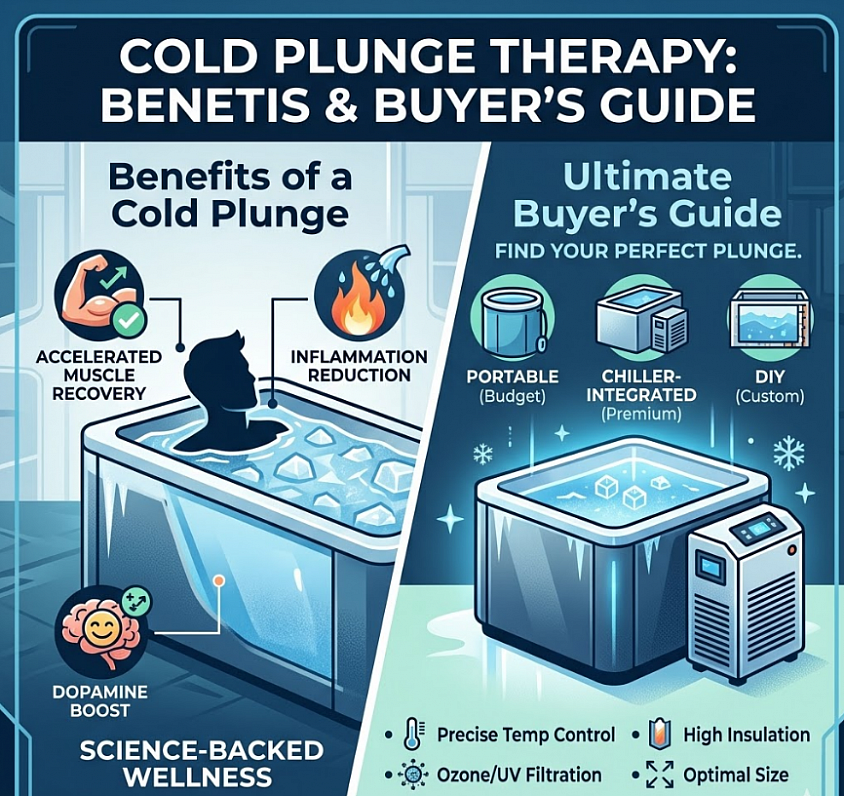
The sight of elite athletes, high-profile tech executives, and fitness influencers deliberately submerging themselves into ice-cold water has transitioned from a niche training ritual into a global wellness movement. What once seemed like an extreme form of discipline is now a mainstream practice, and the momentum behind cold water therapy continues to grow. This enduring popularity stems from a growing cultural shift toward proactive longevity and nervous system regulation. People are seeking efficient, high-impact rituals that address both physical exhaustion and mental burnout simultaneously. Deliberate cold exposure serves as that rare, dual-purpose intervention, delivering an immediate neurological reset alongside profound physical restoration.
Science-Backed Benefits of a Cold Plunge
The physiological response to freezing temperatures is complex, triggering systemic adaptations that optimize human performance. Understanding the biological mechanisms reveals why setting up an ice bath at home is highly effective.
Accelerated Muscle Recovery
When you submerge your body in cold water, the blood vessels constrict dramatically, a process known as vasoconstriction. This physiological reaction forces blood away from the extremities and toward the vital organs to protect the core body temperature. Once you exit the recovery tubs, your blood vessels dilate rapidly, creating a powerful flushing effect. This process pumps fresh, oxygenated blood filled with vital nutrients back into the muscle tissues, which accelerates healing and helps clear out the metabolic waste products that accumulate during high-intensity exercise.
Systematic Inflammation Reduction
In addition to shifting blood flow, cold exposure reduces localized tissue temperature, which slows down cellular metabolism and decreases cellular swelling. Research indicates that cooling the tissues suppresses the inflammatory signaling pathways that contribute to delayed onset muscle soreness (DOMS). By blunting this inflammatory cascade, dedicated cold plunge tanks allow individuals to recover faster between intense physical training sessions without relying on over-the-counter anti-inflammatory medications.
The Dopamine Blueprint
The mental impact of cold water exposure is rooted in a significant neurochemical response. Clinical research demonstrates that immersive cold water exposure can trigger an increase in plasma dopamine concentrations of up to 2.5 times above baseline levels. Unlike the sudden spikes and rapid crashes associated with stimulants or digital dopamine triggers, this cold-induced elevation develops steadily and remains elevated for several hours. This sustained release provides a lasting sense of calm focus, enhanced mood, and heightened mental resilience that persists long after you dry off.
The Ultimate Cold Plunge Buying Guide
Investing in the right setup depends entirely on your budget, space constraints, and how much ongoing maintenance you want to handle. The market currently offers three primary setups for residential and commercial use.
1. Portable and Inflatable Tanks (Budget-Friendly)
Often constructed from high-density, drop-stitch materials similar to inflatable paddleboards, these entry-level recovery tubs are highly accessible. They rely entirely on manual ice additions to achieve therapeutic temperatures, making them a fantastic starting point for beginners testing their long-term commitment to the practice.
Pros: Highly affordable; exceptionally portable; easy to drain and move.
Cons: Requires constant purchases or production of ice; lacks built-in filtration; poor temperature stability over long durations.
2. Chiller-Integrated Tanks (Premium and Automatic)
These setups represent the gold standard for dedicated home wellness spaces. By pairing heavy-duty, insulated cold plunge tanks with a specialized water chiller for cold plunge, these premium systems manage everything automatically. They constantly filter, sanitize, and cool the water to your exact target temperature, ensuring the system is ready whenever you are.
Pros: Precise temperature control down to 37°F; continuous filtration; zero daily prep required; built to the rigorous durability standards of a commercial cold plunge.
Cons: Significant upfront financial investment; requires a dedicated footprint near an electrical outlet.
3. DIY Chest Freezers
For the hands-on enthusiast, converting a standard household appliance into an ice bath at home is a popular middle ground. This setup involves sealing the interior seams of a deep chest freezer with marine-grade sealant and using a digital temperature controller to manage power cycling.
Pros: Much cheaper than premium commercial units; superior insulation compared to portable tubs; keeps water cold without constant ice additions.
Cons: Major safety risks if not properly wired with a Ground Fault Circuit Interrupter (GFCI); manual cleaning and draining can be cumbersome; voids appliance warranties.
System Comparison: Chiller Systems vs. Manual Ice Methods
Choosing how to cool your water directly dictates your ongoing time investment and operating costs. The table below breaks down the operational differences between automated chiller systems and manual ice setups.
Feature Chiller Integrated Systems Manual Ice Methods Temperature Consistency Maintains exact set temperature indefinitely Spikes rapidly as ice melts and ambient temperature rises Convenience Factor On-demand access; always filled, filtered, and chilled Requires purchasing or freezing 20 to 40 lbs of ice per session Water Longevity Water lasts 2 to 4 months due to active sanitation Water must be changed every 2 to 3 plunges to remain sanitary Upfront Cost Moderate to high initial investment Low initial investment Long-Term Cost Minimal; minor electrical draw and occasional filter swaps High ongoing cost if buying bagged ice consistently Key Features to Look For
When evaluating options to find the best cold plunge for home gym integration, prioritize these core technical specifications to ensure long-term durability.
Temperature Range and Cooling Power: Look for a system utilizing a robust water chiller for cold plunge that can consistently pull water down to at least 39°F, even in high ambient garage environments. A chiller rated at 1/2 horsepower or greater is ideal for rapid cooling.
Advanced Filtration Systems: Clean water is essential for a safe experience. Opt for setups featuring a multi-stage filtration system that combines a physical sediment filter with built-in Ozone disinfection or UV serialization technology. This combination neutralizes organic materials and bacteria without relying on harsh chemical pool treatments.
Insulation Quality: High-density foam insulation or double-walled construction is vital. Proper insulation prevents the chiller from working overtime, lowers your electricity bill, and stops condensation from pooling on your floors.
Size and Ergonomics: Ensure the internal dimensions match your height. You want a tank that allows you to submerge up to your neck comfortably without having to awkwardly cram your limbs against the edges, which can distract from your breathing.
Step-by-Step Guide for First-Time Plungers
Stepping into freezing water triggers a powerful primal survival response. Approaching your initial sessions with a structured, safety-first mindset helps you manage the mental panic and maximize the physical benefits.
1. Set the Target Temperature
Beginners do not need to plunge into near-freezing water to achieve the core benefits of a cold plunge. Start with a manageable temperature range between 50°F and 55°F. As your thermal tolerance and nervous system adapt over several weeks, you can gradually lower the temperature into the low 40s.
2. Prepare with Controlled Breathing
Before stepping in, take a few deep, grounding breaths to calm your mind. The moment your skin hits the cold water, your body will experience a natural gasping reflex. Anticipate this reaction. Focus entirely on slow, extended exhalations to actively signal to your brain that you are safe, which helps transition your nervous system out of fight-or-flight mode.
3. Submerge Smoothly
Step into the tub and submerge yourself up to your clavicles in a controlled manner. Keeping your hands out of the water can make the initial sessions significantly easier, as the extremities contain a high concentration of sensitive nerve endings.
4. Optimize Your Duration
The therapeutic window for cold exposure is surprisingly short. Aim for just 1 to 2 minutes during your first few attempts. Research indicates that the metabolic and neurological benefits plateau after 3 to 5 minutes. Consistency over time is far more valuable than pushing through extended, potentially dangerous durations.
5. Warm Up Naturally
Once your time is up, exit the water carefully. Wrap yourself in a towel and allow your body to warm up naturally through shivering and light movement, rather than immediately jumping into a hot shower. This natural warming process extends the metabolic benefits and maximizes the vascular flushing effect.
Is the Investment Worth It?
Investing in dedicated cold therapy equipment ultimately comes down to valuing your time, performance, and overall well-being. While portable tubs offer a low-cost entry point, the continuous chore of sourcing hundreds of pounds of ice quickly becomes a barrier to maintaining a consistent routine.
Transitioning to a dedicated, chiller-integrated setup provides a seamless, friction-free experience. Having a pristine, perfectly chilled ice bath at home removes all logistical hurdles, transforming a complex chore into a reliable daily anchor for your health. For those dedicated to optimizing their physical recovery, sharpening their mental focus, and building deep resilience against daily stress, having professional-grade cold therapy available on demand is an incredibly valuable asset.